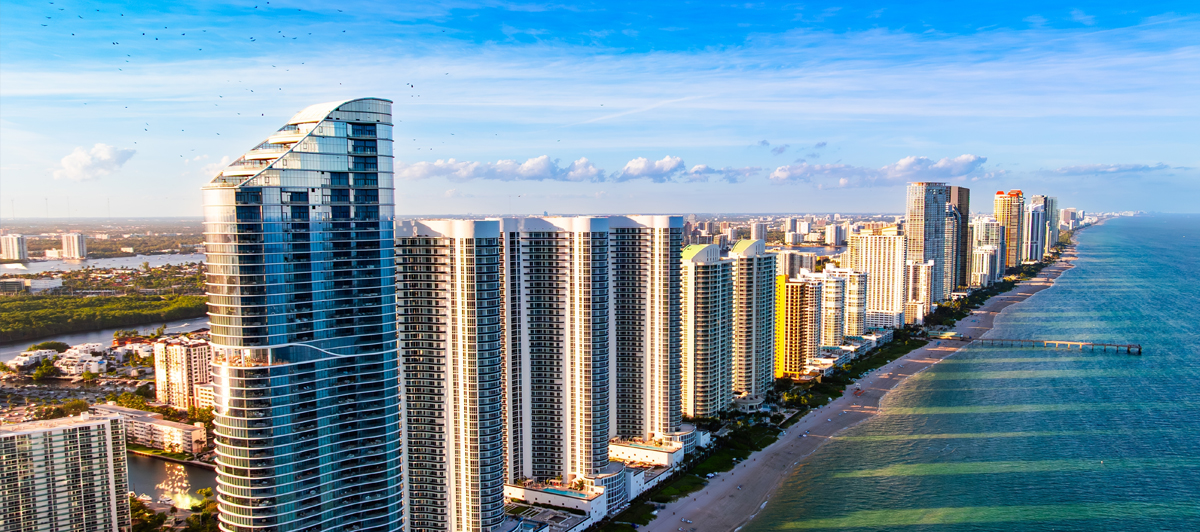
Florida’s climate offers many advantages for businesses, but it also presents unique challenges for commercial buildings. Constant exposure to humidity, salt air, intense sunlight, heavy rainfall, and seasonal storms can gradually weaken building materials and accelerate the aging process. While every structure experiences normal wear over time, commercial properties in coastal regions often require additional attention to maintain their safety, appearance, and long-term performance.
Understanding how the environment affects a building allows property owners to make informed maintenance decisions, plan renovations proactively, and extend the life of their investment. Rather than waiting for visible problems to appear, recognizing the impact of Florida’s climate can help prevent minor issues from becoming major repairs.
Salt Air Accelerates Material Deterioration
One of the biggest challenges facing coastal commercial buildings is prolonged exposure to salt-laden air. Even properties located several miles from the shoreline can experience the effects of airborne salt particles carried inland by coastal winds.
Over time, salt accelerates corrosion in exposed metal components and reinforcing steel embedded within concrete. As steel corrodes, it expands, placing pressure on the surrounding concrete and causing cracking, spalling, and surface deterioration. Parking garages, balconies, stairways, walkways, and other exposed structural elements are particularly susceptible to this type of damage.
Routine inspections and preventative maintenance can help identify early signs of corrosion before they affect the structural integrity of the building.
Moisture Creates Hidden Problems
Florida’s consistently high humidity, combined with frequent rainstorms, creates ideal conditions for moisture intrusion. Water can enter a building through aging roofing systems, deteriorated sealants, windows, doors, or small cracks in the exterior envelope.
Once moisture finds its way inside, it can affect insulation, drywall, structural framing, and other concealed building components. In addition to contributing to mold growth, prolonged moisture exposure can weaken construction materials and create conditions that accelerate deterioration.
Because many moisture-related issues develop behind finished surfaces, they often remain unnoticed until significant damage has already occurred. Regular maintenance and prompt repairs help prevent these hidden problems from escalating.
Sun Exposure Takes Its Toll
While Florida’s abundant sunshine is one of its greatest attractions, constant ultraviolet exposure can gradually break down exterior building materials. Roofing membranes, exterior coatings, sealants, paints, and certain synthetic materials naturally deteriorate after years of continuous sun exposure.
These aging materials may begin to crack, fade, lose flexibility, or separate from adjacent surfaces. Once protective barriers begin to fail, buildings become more vulnerable to water intrusion and additional weather-related damage.
Replacing aging exterior materials before they fail completely helps preserve both the appearance and performance of commercial properties.
Heavy Rainfall Challenges Building Envelopes
Frequent rainfall places continuous demands on roofing systems, drainage infrastructure, and waterproofing components. Gutters, roof drains, downspouts, and grading all work together to move water away from the building.
When these systems become blocked, damaged, or outdated, water can collect where it shouldn’t. Ponding water on rooftops, poor drainage around foundations, and leaking expansion joints can all contribute to structural deterioration over time.
Maintaining proper drainage is one of the most effective ways to reduce long-term water damage and protect a commercial building from avoidable repairs.
Storms Place Repeated Stress on Buildings
Florida’s hurricane season subjects commercial buildings to repeated high winds, wind-driven rain, and flying debris. Even when a structure performs well during a major storm, years of repeated exposure can gradually weaken various building components.
Roof systems, exterior cladding, windows, doors, flashing, and waterproofing assemblies all experience ongoing stress during severe weather events. Older buildings, in particular, may contain materials or construction methods that predate today’s more stringent building codes.
Evaluating these components periodically helps identify areas where repairs or upgrades may improve both safety and long-term durability.
Preventative Maintenance Protects Long-Term Value
Weather-related deterioration is unavoidable, but costly structural problems often are not. Buildings that receive routine maintenance typically perform better over time than those where repairs are postponed until obvious damage appears.
Regular inspections, waterproofing maintenance, concrete repairs, sealant replacement, and protective coatings can significantly slow the aging process. Addressing small issues early often reduces repair costs while helping preserve the building’s structural integrity and overall value.
For commercial property owners, preventative maintenance is one of the smartest long-term investments they can make.
Preparing Buildings for the Future
Florida’s coastal environment will always present challenges for aging commercial buildings, but proactive planning can make a significant difference. Understanding how weather affects building materials allows owners to prioritize maintenance, schedule improvements strategically, and avoid unexpected disruptions.
Whether a property is decades old or approaching a major inspection milestone, investing in timely repairs and ongoing maintenance helps ensure it remains safe, functional, and attractive for years to come.
If your commercial building is beginning to show signs of weather-related wear or you’re planning improvements to extend its lifespan, Perillo Construction can help. Their team specializes in commercial renovations, structural repairs, and building improvements that help property owners protect their investment while preparing for the future.