The modern workplace has undergone a significant transformation. As more businesses embrace hybrid work models that blend remote and in-office schedules, the function and layout of traditional offices are evolving rapidly. Commercial spaces are no longer just a place to clock in and out, they’re environments designed to foster collaboration, creativity, and community when teams come together in person.
For businesses in Florida and beyond, rethinking office design to support this hybrid dynamic is more than just a trend, it’s a strategic move that can improve employee satisfaction, increase productivity, and reduce overhead. Here’s how today’s office environments are being redesigned to align with the realities of hybrid work.
Reimagining the Office as a Collaboration Hub
In a hybrid model, employees no longer need a desk five days a week. As a result, companies are reducing the number of dedicated workstations and replacing them with collaborative zones. These areas are designed to support face-to-face meetings, group brainstorms, and spontaneous conversations that can’t be replicated over video calls.
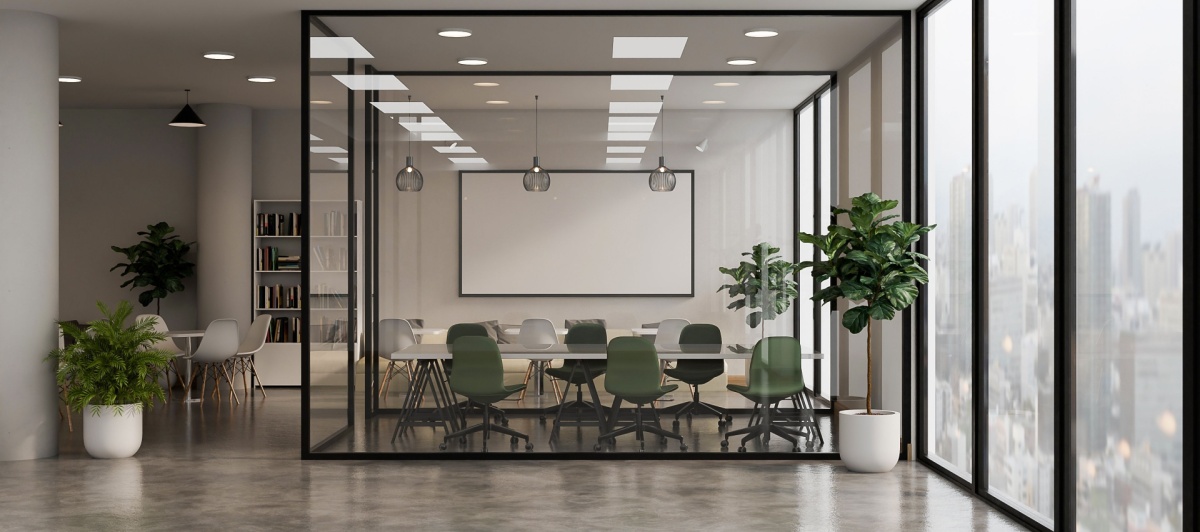
Conference rooms, open lounges, and breakout spaces are becoming the focal point of modern offices. The layout prioritizes teamwork and idea exchange rather than quiet individual work, which can often be done remotely. Movable furniture, writable walls, and tech-equipped zones allow teams to adapt their environment on the fly.
Creating Flexible and Multi-Use Spaces
A key element of hybrid-friendly design is flexibility. Since not all employees are in the office every day, the space must be able to accommodate different groups and functions throughout the week. Multi-use spaces, like a lounge that doubles as a training room or a café that transforms into a team event space, allow for better use of square footage.
Companies are also adopting desk booking systems and shared workstations to support “hoteling” or “hot desking.” These systems reduce wasted space while ensuring that employees still have access to the resources they need when working onsite.
Technology Integration to Bridge Remote and In-Person Teams
For hybrid work to succeed, technology must support seamless communication between remote and onsite employees. Office design plays a significant role in making this happen.
Conference rooms now include large screens, high-quality cameras, and audio systems to support hybrid meetings. Acoustic treatments are added to reduce echo and background noise during virtual calls. Even casual spaces may include video conferencing tools to encourage spontaneous collaboration across locations.
Power access, strong Wi-Fi, and easy connectivity are essential throughout the office—not just at desks. This ensures that wherever employees choose to work, they can remain fully connected and productive.
Prioritizing Employee Comfort and Well-Being
Hybrid office design isn’t just about logistics, it’s also about making the space inviting enough for employees to want to come in. Comfort, wellness, and aesthetics are now top priorities.
Ergonomic furniture, natural lighting, biophilic design, and well-ventilated layouts all contribute to a healthier and more enjoyable workplace. Quiet rooms or phone booths give employees places to focus or take private calls, while social spaces help rebuild workplace culture.
Designers are even including wellness rooms, outdoor work areas, and fitness zones to create environments that support both mental and physical well-being. These elements are not only beneficial for employees, they’re also a strategic advantage for businesses seeking to retain top talent in a competitive job market.
Reducing Real Estate Footprint While Increasing Value
One of the biggest shifts in hybrid work strategy is how companies approach office size. With fewer people in the office at any one time, many organizations are downsizing or repurposing underused space. However, they are also investing more in the quality of what remains.
A smaller, more thoughtfully designed space can offer better functionality, stronger branding, and improved employee engagement than a larger, outdated layout. Renovations that focus on hybrid-friendly design also help future-proof a property, increasing its long-term value and appeal.
Rethinking Commercial Spaces for the Future of Work
As hybrid work continues to shape the future of business, commercial office spaces must evolve in both form and function. Companies that invest in adaptable, tech-forward, and people-centered design will not only create a better work environment but also attract and retain top talent.
For Florida business owners considering a renovation or office redesign, partnering with a contractor who understands the nuances of hybrid workspace planning is essential. Perillo Construction specializes in creating customized commercial spaces that reflect your business goals while supporting the new ways we work. Whether you’re retrofitting an existing office or building a collaborative environment from the ground up, their team helps you align your space with today’s workforce expectations.
Let your office be more than a place to work, let it be a reason to come in.