Commercial renovations involve much more than selecting new finishes and beginning construction. Successful projects require careful coordination between the property owner, design professionals, contractors, engineers, and specialty trades. When these groups collaborate from the early stages of a renovation, they can develop solutions that balance design goals with budget, functionality, scheduling, and real-world construction requirements.
Strong design collaboration creates a more connected process from initial planning through project completion. Instead of treating design and construction as completely separate phases, collaboration allows the professionals involved to share information, identify potential challenges, and make informed decisions before those challenges affect the project.
Creating a Shared Vision for the Project
Every commercial renovation begins with a set of goals. A business may want to modernize an outdated office, improve a retail environment, accommodate additional employees, or make better use of existing square footage.
Design collaboration helps translate those goals into a practical renovation plan. Property owners can communicate their priorities while architects and designers develop solutions that support them. Contractors can contribute construction knowledge that helps determine how those ideas can be implemented within the existing space.
Establishing this shared vision early gives everyone involved a clearer understanding of what the finished project should accomplish.
Balancing Design With Constructability
A design can look impressive on paper while still presenting challenges during construction. Existing building conditions, structural components, mechanical systems, material availability, and installation requirements can all influence how a renovation is ultimately completed.
Contractor involvement during the design process provides another perspective on these considerations. Potential construction challenges can be identified and discussed with the appropriate design professionals before plans are finalized.
This collaboration allows the team to preserve the intent of the design while developing practical solutions for executing it within the existing building.
Identifying Conflicts Earlier
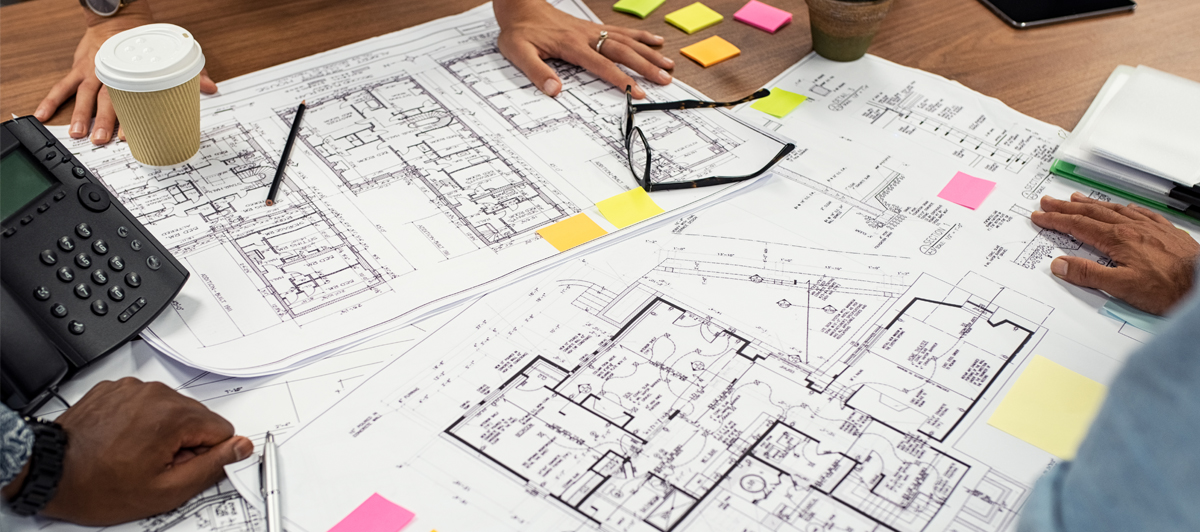
Commercial buildings contain numerous interconnected systems. Electrical wiring, plumbing, HVAC equipment, structural elements, ceilings, lighting, and other components must all work within the proposed layout.
If these elements are planned independently, conflicts may not become apparent until construction is underway. Discovering that a new wall interferes with existing infrastructure or that a ceiling design conflicts with mechanical equipment can require revisions that affect both the schedule and budget.
Collaborative planning allows project teams to review these relationships earlier. Identifying potential conflicts before construction begins provides more time to develop solutions without interrupting work in progress.
Making More Informed Budget Decisions
Design decisions and construction costs are closely connected. Material selections, custom features, layout changes, and building system modifications can significantly affect the overall project budget.
When construction considerations are incorporated into the design process, owners can better understand the financial impact of different options before committing to them. If a particular feature exceeds the available budget, the team can explore alternatives that maintain the project’s objectives while controlling costs.
Making these decisions early is generally more efficient than redesigning portions of the project after construction has started.
Supporting a More Reliable Schedule
Collaboration can also improve project scheduling. Certain materials may require extended lead times, while specialized construction elements may require additional coordination or installation time.
When contractors and design professionals communicate early, these factors can be considered when developing the project timeline. Materials can be selected with availability in mind, construction sequencing can be evaluated, and potential scheduling challenges can be addressed before they cause delays.
For renovations occurring in occupied buildings, this coordination becomes especially important because construction may need to be phased around ongoing business operations.
Reducing Unnecessary Changes During Construction
Changes are sometimes unavoidable, especially when renovating older commercial properties where hidden conditions may not be discovered until work begins. However, thorough collaboration can reduce changes caused by incomplete planning or communication.
Reviewing layouts, specifications, building systems, and construction requirements together allows more questions to be resolved before crews arrive on site. Fewer unexpected design revisions can mean fewer disruptions, more predictable costs, and a smoother construction process.
The result is not simply a better design, but a project that is better prepared for execution.
Improving the Finished Commercial Space
Ultimately, collaboration helps ensure that a renovation works as well in everyday use as it does visually. Designers contribute creativity and planning expertise, contractors provide practical construction knowledge, and owners bring an understanding of how the space needs to function for their business.
Combining these perspectives can result in commercial interiors that are attractive, functional, durable, and better suited to the people who use them every day.
Turning Collaboration Into Better Results
Commercial renovation projects involve many decisions, and those decisions become easier when the professionals responsible for design and construction communicate throughout the process. Early collaboration can uncover challenges, improve budgeting, strengthen scheduling, and create a clearer path from concept to completion.
If you’re planning a commercial renovation, contact Perillo Construction to discuss how coordinated planning and construction support can help move your project forward. By working alongside property owners, architects, engineers, and other project professionals, Perillo Construction helps turn carefully developed designs into functional commercial environments.